
Understanding the psychological tricks that influence gambling decisions
The Role of Cognitive Biases in Gambling
Cognitive biases significantly affect how gamblers perceive their chances of winning and losing. One of the most common biases is the illusion of control, where players believe they can influence the outcome of games of chance. For example, a gambler might think that their skill can impact the results in games like poker or blackjack. This leads to overconfidence and increases the likelihood of continued play, even in the face of losses. In Canada, many players prefer quick payouts, often seeking platforms known as the fastest payout online casino to access their winnings swiftly.

Another prevalent cognitive bias is the gambler’s fallacy, which is the belief that past events can influence future probabilities. For instance, if a roulette wheel has landed on red several times in a row, a player may feel that black is “due” to come up. This misunderstanding of probability often causes players to make irrational decisions based on streaks, leading to further losses.
Furthermore, the framing effect plays a crucial role in how gambling options are presented to players. When options are framed positively, emphasizing potential wins rather than losses, players are more likely to make riskier choices. Casinos often use this to their advantage, highlighting big wins while downplaying the odds of losing, thus enticing players to gamble more than they might otherwise.
The Impact of Environment on Gambling Behavior
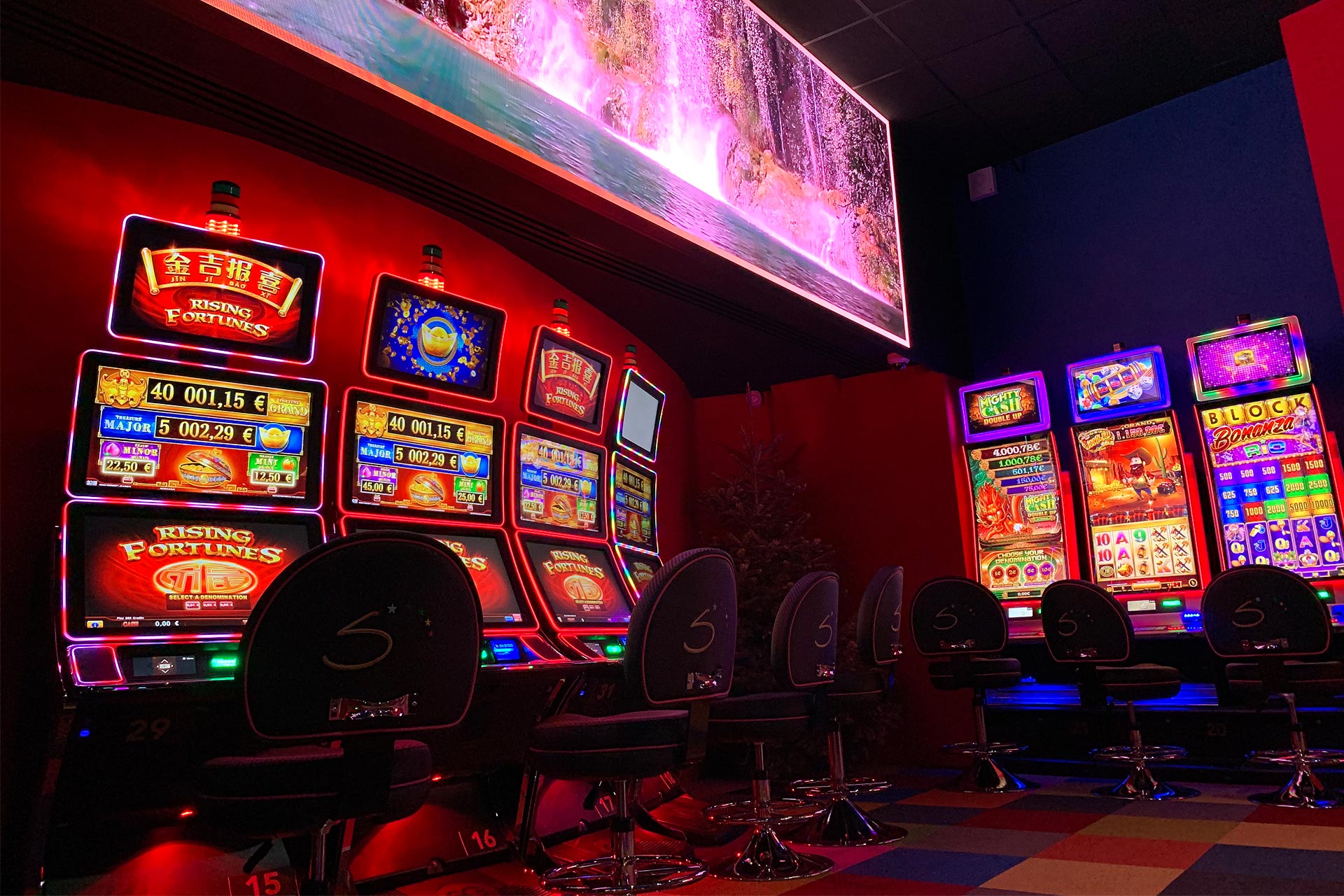
The environment in which gambling takes place can significantly influence decisions. Casinos are designed with psychological tricks that encourage longer play. Bright lights, enticing sounds, and strategically placed games create an atmosphere that stimulates excitement and urgency. This sensory overload can lead players to lose track of time and money, making them more likely to gamble impulsively.
Moreover, the social environment plays a vital role in gambling behavior. People are more likely to gamble when surrounded by others who are also gambling. This social reinforcement can create a sense of camaraderie and excitement, pushing individuals to bet larger amounts or take riskier actions. Observing others winning can also evoke feelings of FOMO (fear of missing out), compelling them to engage even when their own financial situation might suggest otherwise.
Finally, the layout of a casino, including the proximity of cashiers to gaming areas, can also manipulate behavior. By making it easy to access money and complicated to leave, casinos encourage continued play. This design is intentional, as it fosters an environment where players feel compelled to stay and gamble longer than they originally intended.
The Psychological Effects of Near Misses
Near misses are a psychological phenomenon common in gambling, where a player almost wins but ultimately does not. This experience can create a false sense of hope and encourage further betting. For example, in slot machines, seeing two matching symbols followed by a different symbol gives the impression that a win was close, leading players to believe they can eventually succeed. This can result in repeated attempts to achieve that elusive win.
Research has shown that near misses can activate the same areas of the brain as actual wins, causing a dopamine release. This chemical response creates a feeling of excitement that can be more compelling than losing outright. As a result, gamblers may continue to play in pursuit of that gratifying near-win feeling, despite the financial toll it takes.
Additionally, near misses can lead to a distorted perception of skill. Players may start to believe that their strategy is effective, even when the odds are against them. This misbelief reinforces the cycle of gambling and can lead to increased financial losses, as players chase after that feeling of being close to a win.
The Influence of Marketing and Promotions
Marketing strategies in the gambling industry are crafted to exploit psychological triggers. Promotions such as free spins or bonus credits create an illusion of getting something for nothing, enticing players to gamble. These promotions often come with hidden conditions that make it challenging to cash out, yet they tap into the excitement of possibility, leading players to engage more than they initially planned.
Moreover, loyalty programs are designed to maintain long-term engagement. By rewarding players with points or cash back, casinos create a sense of investment in the gaming experience. Gamblers may feel compelled to continue playing to reach the next tier of rewards, which can lead to irrational spending. This tactic keeps players returning, as they seek to maximize their benefits.
Online casinos have also mastered the use of personalized marketing. By analyzing player behavior, they can send tailored promotions that resonate with individual players’ preferences. This personal touch can make players feel valued and understood, further increasing their likelihood of returning to gamble more often. Such targeted advertising exploits psychological principles that drive engagement and spending.
Exploring Responsible Gambling Resources
Understanding the psychological tricks that influence gambling decisions is crucial for promoting responsible gambling. Awareness of cognitive biases, environmental factors, and the impact of marketing can empower individuals to make informed choices. Many casinos and gaming organizations provide resources to help players recognize the signs of problematic gambling behavior and offer strategies to mitigate risks.
For those looking to engage in gambling responsibly, setting limits is essential. This includes defining a budget before playing and sticking to it, as well as taking breaks to assess emotional and financial states. Additionally, utilizing self-exclusion programs can help individuals who recognize that their gambling habits are becoming detrimental. These resources create a safety net, allowing players to take control of their gambling experience.
As part of a commitment to responsible gambling, many online platforms also feature tools to track spending and time spent playing. Such features can promote awareness and encourage players to make decisions based on rational thought rather than impulse. By prioritizing responsible gambling, players can continue to enjoy the entertainment value of games without succumbing to the psychological traps that often accompany gambling activities.